

Chennai:
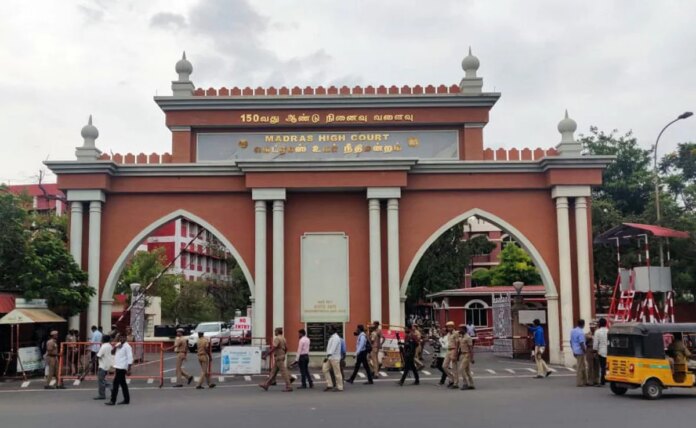
In a significant push for transgender welfare, the Madurai Bench of the Madras High Court has directed the Tamil Nadu government to design and implement a comprehensive rehabilitation scheme at the taluk (sub-district) level, focusing on dignity, inclusion and sustainable livelihoods.
The direction came while hearing an anticipatory bail plea filed by a YouTuber accused of sharing a video linked to a transgender person’s self-immolation near a police station in Srivilliputhur. While granting relief in the case, the court widened its scope to address the broader challenges faced by the transgender community.
Case Background
The petitioner, YouTuber V Sarathkumar, was charged under Section 353 of the Bharatiya Nyaya Sanhita for allegedly circulating misleading content about the police through a video on the incident.
He told the court that he had only reshared content already in circulation and deleted it after realising its impact.
After reviewing the material, the court noted that the allegation was limited to retransmission and granted anticipatory bail.
Court Flags Social Neglect
The bench used the case to highlight the continuing marginalisation of transgender persons.
Justice KK Ramakrishnan observed, “The tragedy is not in their birth, it is in the blindness of society which… has driven them into conditions of extreme marginalisation.”
Stressing the need for equal treatment, the court added, “They are entitled to be accepted as equals… participants in the common destiny of this nation.”
Calling out institutional inaction, the judge said, “This Court cannot be a mute witness to the indignities suffered by a vulnerable class… Judicial compassion must translate into enforceable rights.”
Directions To The State
The court pointed to gaps in the implementation of the Supreme Court’s 2014 NALSA judgment and issued a set of directions:
- Develop a comprehensive rehabilitation scheme at the taluk level
- Create self-employment and livelihood opportunities
- Ensure access to education, healthcare and welfare support
- Promote inclusion and dignity in public life
The Chief Secretary has been asked to coordinate across departments and file a compliance report by July 26, 2026.
Constitutional Basis
The court reiterated that transgender persons are protected under Articles 14, 15, 16 and 21, which guarantee equality, non-discrimination and the right to live with dignity.
It noted that failure to implement these rights continues to deepen inequality.
The matter will be taken up again on August 3, 2026, to review the state’s progress.
(With inputs from Manha N)