

Speculation around a possible US-Iran breakthrough in Islamabad this week now appears to have fizzled out.
Pakistan, which positioned itself as a mediator, had locked down parts of Islamabad in anticipation of high-stakes negotiations. However, even the Pakistani authorities on Saturday evening began easing restrictions following the departure of an Iranian delegation and a US decision not to send its delegation to Islamabad for potential talks, offering relief to hundreds of thousands of residents after nearly a week of near-lockdown conditions.
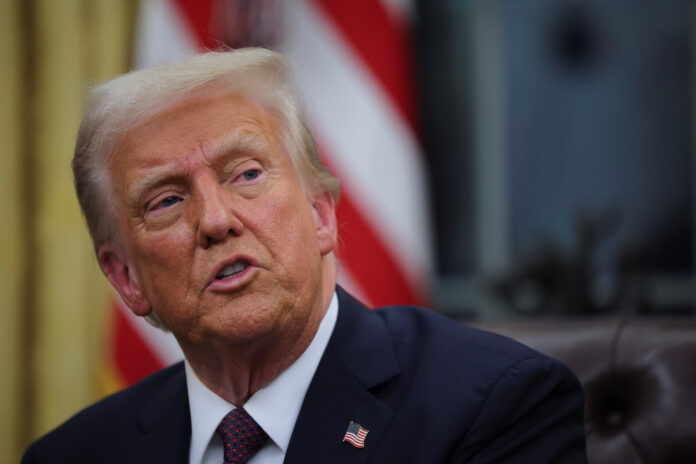
The hopes of progress dimmed after US President Donald Trump abruptly called off his envoys’ visit.
According to Fox News, Trump said that he told the envoys not to get on an “18-hour flight” while they were getting ready to leave. He said that he does not want his officials to “sit around talking about nothing”.
The Republican leader said that the United States holds all the cards and that Iran “can call us anytime they want”.
However, Trump told Axios that cancelling his envoys’ trip to Islamabad did not mean that the war in Iran would restart.
Here’s How The Situation Unfolded
11 April: Senior US and Iranian officials meet in Pakistan for marathon talks lasting over 21 hours. Both sides signal progress, but no agreement is reached.
19 April: Trump announces that US representatives will return to Pakistan for another round. The follow-up never materialises, with Iran saying it has yet to decide on participation.
21 April: Trump agrees to extend the ceasefire with Iran for an unspecified period, keeping the door open for continued negotiations.
24 April: The White House says envoys Steve Witkoff and Jared Kushner will travel to Islamabad for fresh talks. Around the same time, Iran’s foreign minister Abbas Araghchi arrives in Pakistan, but Tehran clarifies that no direct negotiations with the US are scheduled.
25 April: Araghchi holds meetings with Pakistan’s Prime Minister Shehbaz Sharif and Army Chief Asim Munir in Islamabad, then departs for Oman without any clarity on US participation. Soon after, Trump confirms he has cancelled the planned visit of his envoys.
What began as a potentially significant diplomatic opening has, for now, stalled, with uncertainty once again clouding the prospects of direct US-Iran engagement.