
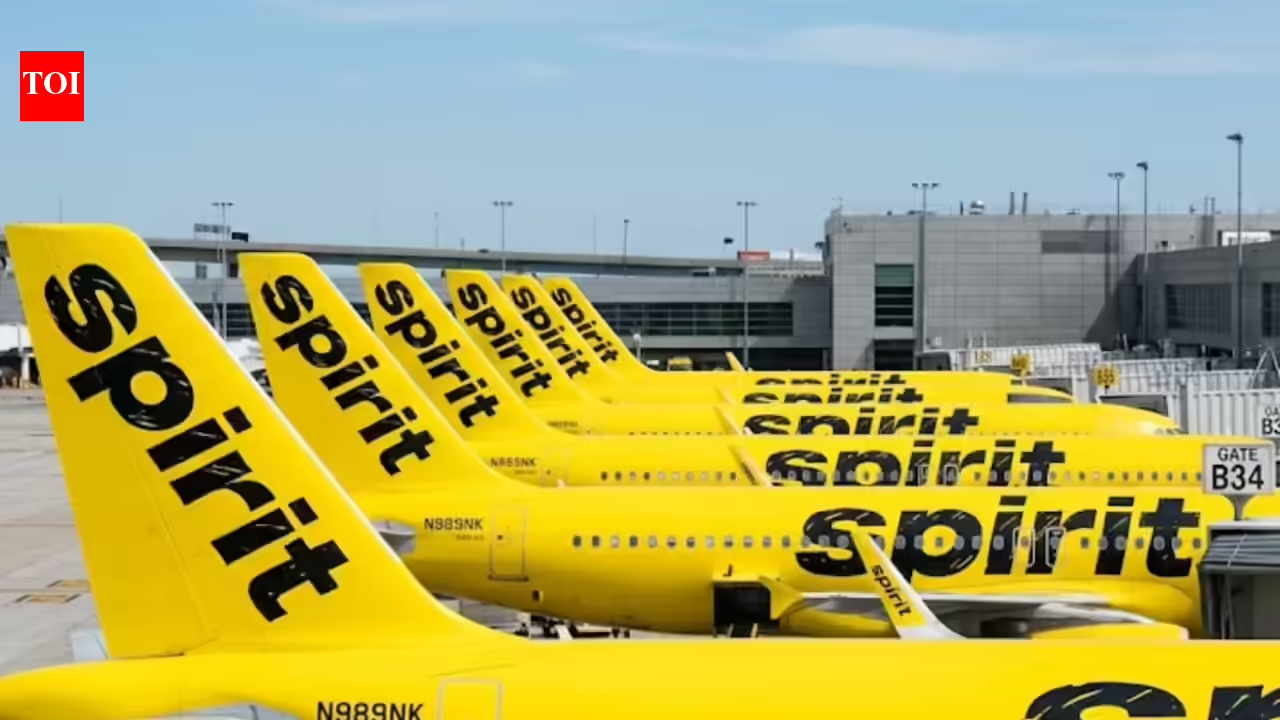

The dark silence that hung over terminals in airports that used to buzz filled with Spirit Airlines’ bright yellow aircraft sounded like the conclusion of a time for low-cost travellers. In the past three decades, Spirit Airlines has made flying accessible to the ordinary person. The company had to close its fleet because of the incredibly high cost of fuel and an insufferable financial crisis. The world of business was watching the process to stop in bankruptcy, with eagle eyes, and the Internet reacted with a blend of sadness and bold determination.In this day and age, where trending topics that are viral often fade out in hours, TikTok creator Hunter Peterson has done the almost impossible. Within days of Spirit ending its operations, his plan to “nationalise” the company through an ownership structure that’s shared by all the owners caught the attention of the masses. What started as a lighthearted video has transformed into a digital movement, with a dedicated website, letsbuyspiritair.com, recording over $337 million in non-binding pledges.A new vision for ownershipThe philosophy behind the campaign is not about corporate theft, but about protecting the neighbourhood. Peterson’s approach is based on the myths from the Green Bay Packers, the most notable American professional sports team owned by the local community. By putting stakes into the pocket of travellers, this campaign is designed to spur a change away from profit-at-all-costs, and toward first-class service. This campaign doesn’t just aim to maintain cheap airfares; however, it is also about asking who is accountable to the system we count on.The energy of the masses can be seen in studies of what consumers are looking for in products and services they utilise each day. If the brand’s value is tied to an essential element of life or mobility, its loss could be felt as an affront to the personal. Researchers have noted for a long time that customers often create emotional bonds and strong connections to certain brands, which go beyond mere loyalty or choice. A study in the journal Frontiers of Psychology found that the brands’ relationships tend to be economically driven; they may transform to “communal connections” which involve emotions that go beyond the individual’s interests.A lot of people think that Spirit was beyond just a space. It was the only means to meet family members and find a new place to visit on an extremely limited budget. It is because of this emotional bond that there’s a $300 million pledge to the organisation, which is no longer in existence. The amount of interest shows that there is a shift towards a “crowd-equity” impression. Instead of waiting for the equity firm to determine which options remain, those who sat in these chairs are getting ready to get behind the wheel.
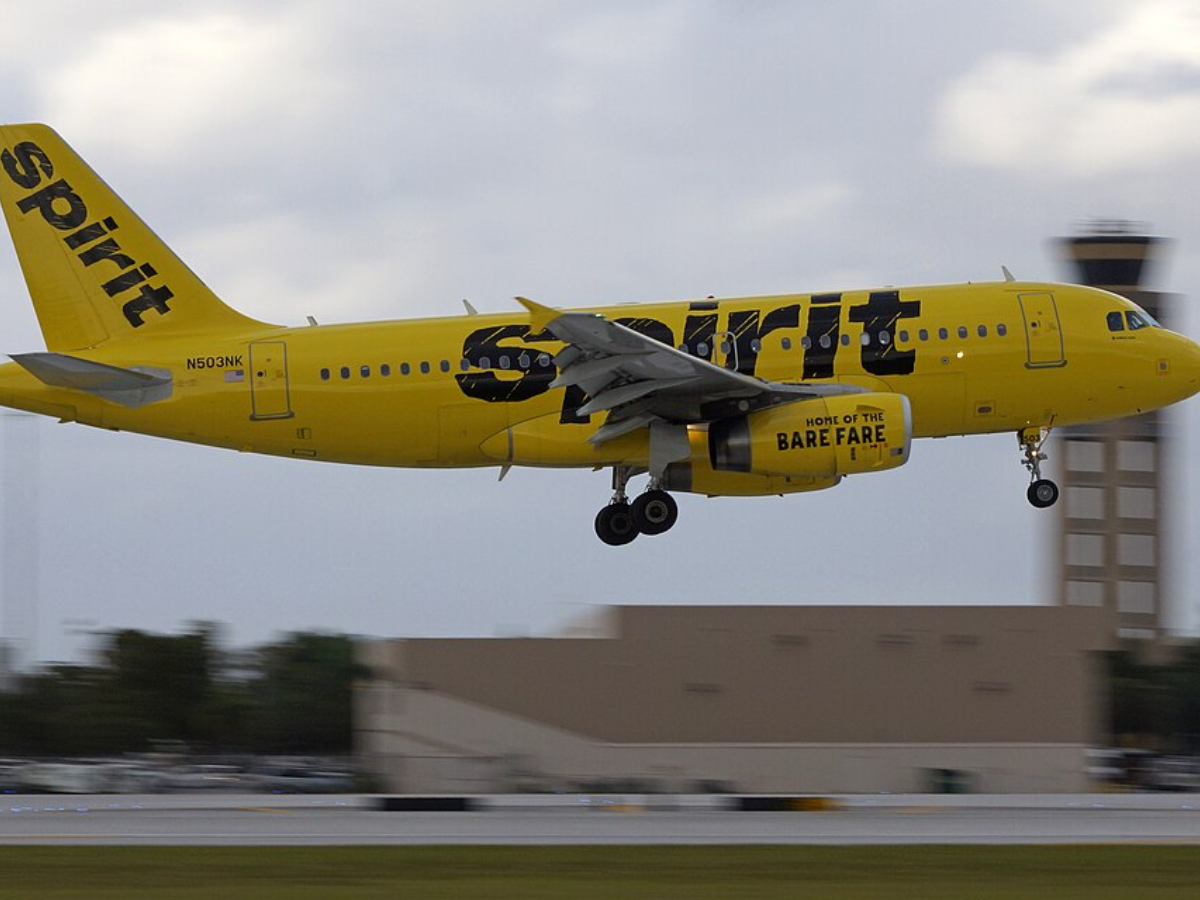
TikTok founder Hunter Peterson has launched a movement to “nationalise” the airline with collective ownership. Image Credit: Wikimedia Commons
The reality of the modern skiesWhile the enthusiasm is apparent, the process of reviving the airline faces several challenges in terms of financial and regulatory issues. Spirit’s management team, headed by chief executive Dave Davis, made it clear that the shutdown was due to an inability to reform and the inability to raise the necessary funds for the engines to continue to function. Spirit’s initial role as a participant in “unbundled” rates allowed millions to fly when they normally wouldn’t have been able to. But this same strategy led to them being vulnerable to rising costs for jet fuel.Beyond the balance sheet, Aviation must contend with a changing market that is influenced by customers’ expectations and environmental challenges. It is a regular struggle in the aviation industry. For example, research published in the Journal of Air Transport Management shows that, because airlines work on low profits, they face reduced cash flow when it comes to prices for inputs, for instance, fuel. The study suggests that, in order to guarantee that these businesses can last over the long term and thrive, they must discover a method to preserve the capital they have without losing their “no-frills” branding.If you’re in a bind or are in the process of getting refunds, don’t despair “People’s Spirit” offers a bright, hopeful light rather than a guaranteed ticket. Spirit assures its clients that credit and debit card refunds will be processed promptly, while people who are enrolled in loyalty points have to be in bankruptcy courts. The process of restarting the fleet that is grounded involves re-certifying aircraft, rehiring thousands of employees, and reclaiming airport slots that might be auctioned off to other companies, such as Frontier and Southwest.The campaign continues to grow its reach and grow in popularity; it is a significant warning of the growing decentralisation of our financial systems. If Peterson’s plan succeeds, the campaign can begin discussions on the reasons flying is important and what kind of aircraft we want to be seeing from the cockpit. At a time when corporate giants are frequently portrayed as invulnerable, the idea of “crowdfunded sky” will be a reaffirmation of the human desire to be connected, no matter the price. If it is a flying air carrier or digitally based, the “People’s Spirit” is already showing that people want to have a stake in the skies, rather than a mere seat on the plane.