
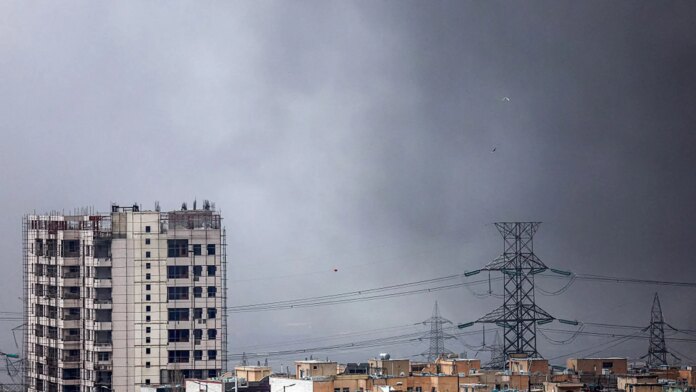

This is where the investment case for clean energy is changing. For years, the argument centered on climate benefits and cost competitiveness. Those factors still matter, but this crisis exposed something they don’t fully capture. The global energy system carries concentrated risk tied to geographic chokepoints and fuel dependencies that no single actor can fully hedge.
Some of the earliest signals of this shift are already visible. In insurance markets, where risk is recalibrated annually against observed losses, coverage is tightening, and costs are rising in exposed regions such as California, southern Europe, and parts of Australia. But the impact is not limited to those markets. In an interconnected system, those adjustments ripple outward through pricing, supply chains, and capital flows. That shift often precedes broader financial repricing. The warning sign is that when insurers pull back, the risk does not disappear. Instead, that risk is passed on to public budgets, corporate balance sheets, and household finances.