
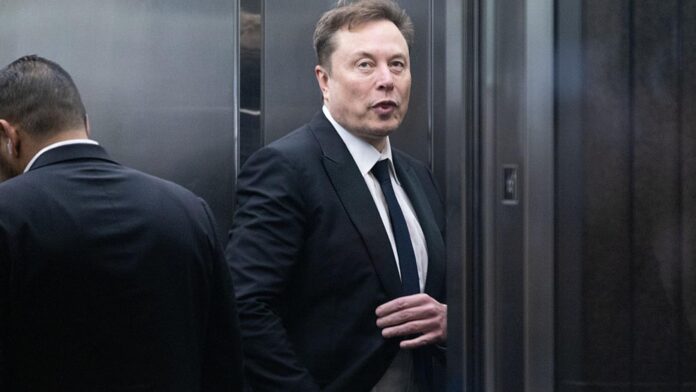

In 2015, Musk co-founded OpenAI with Altman, among others, out of concern that powerful future AI systems would be developed by Google and controlled by other billionaires. He founded xAI in 2023, after a dispute over control of OpenAI.
Musk had asked the court to reverse OpenAI’s for-profit conversion, which the company completed late last year, and to return roughly $150 billion to the nonprofit. Such a decision would have been “catastrophic” for OpenAI, says Charlie Bullock, a senior research fellow at LawAI, and would have “sent shockwaves through the global economy.”
The jury’s decision that Musk waited too long to sue, exceeding a three-year statute of limitations, is just the latest blow to Musk and xAI. Rather than strengthening xAI’s position in the industry, the trial mostly served to illustrate its various weaknesses. In February, Musk’s SpaceX acquired xAI, with the AI company reportedly valued at around $250 billion—far short of OpenAI’s most recent $852 billion valuation. Over 50 employees subsequently departed for competitors such as Meta and Thinking Machines Lab. Downloads of Grok, the company’s flagship chatbot, have fallen by 60% since January. And less than 1% of Grok users had a paid subscription, compared to roughly 6% of ChatGPT users who say that they pay for the upgraded product. “xAI is currently falling behind in the AI race,” Peter Wildeford, head of policy at the AI Policy Network, told TIME.