

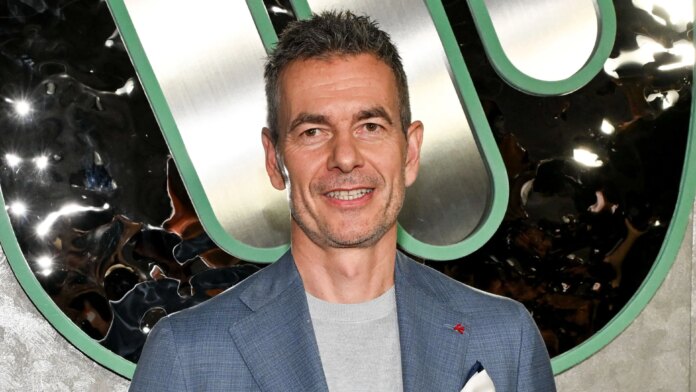
At the turn of the millennium, the music industry reckoned with vast technological change, as listeners began illegally downloading the records they once visited stores to purchase. A similar threat looms today around generative AI, which many artists and industry workers worry will devalue the output of human-made music, among other copyright concerns. Warner Music Group—which owns a robust portfolio of labels, including Atlantic, Parlophone, and Warner Records, plus the publishing arm Warner Chappell Music—aims to learn from the past. Instead of boycotting the new tech, CEO Robert Kyncl says WMG is on a mission to shape it. “AI is a fast-growing phenomenon,” Kyncl says. “It’s really important that companies like us stand up for artists and songwriters—do it early, and do it together with AI companies.” To that end, WMG is taking a three-pronged approach: lobbying for the NO FAKES Act, a bipartisan U.S. federal bill which would protect the voice and likeness of all individuals from unauthorized, computer-generated re-creations; forging partnerships with leading AI music companies, including Suno, Udio, and Klay, to ensure that AI tools are trained on licensed music; and installing non-negotiable clauses in each deal, including that artists and songwriters will have a choice to opt in or out of any use of their name, image, likeness, or voice in AI-generated songs. (On the marketing side, WMG is also using AI to boost artist discovery and fan engagement.) “You have to have to care about the industry as a whole,” Kyncl says. “That’s why we do it.”
Warner Music Group: 2026 TIME100 Most Influential Companies
Published: