
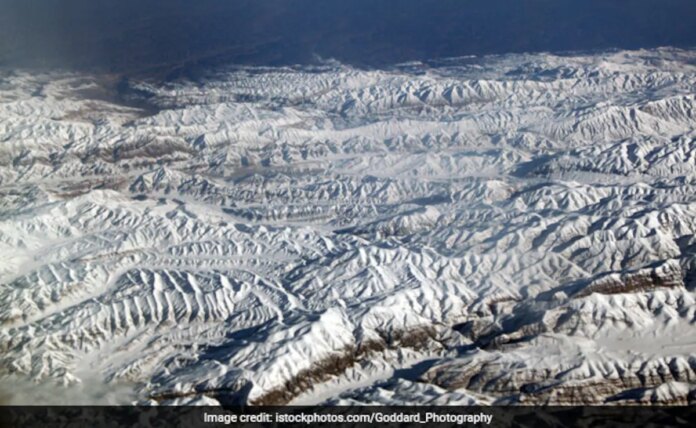

High in the icy peaks of the Hindu Kush Himalaya — known as the “Third Pole” — a worrying change is unfolding. The region that supplies water to millions across Asia is holding far less snow than usual.
A fresh report from the International Centre for Integrated Mountain Development (ICIMOD) in Kathmandu shows that seasonal snow cover in the HKH has hit its lowest level in more than 20 years. This is raising serious fears about future water supplies for some of the world’s most crowded river plains.
“The present status of snow persistence is quite alarming at the HKH scale,” said Dr. Farooq Azam, a cryosphere scientist associated with ICIMOD, while speaking to NDTV. He pointed out that snow stayed on the ground 27.8% below normal this winter — the lowest in 24 years of records — and it’s now the fourth year in a row with below-average snow.
In plain words, the winter snow is simply not sticking around long enough. Normally, this snow acts like a natural water bank. It builds up during winter and melts slowly through spring and summer, feeding major rivers that support farming, power plants, and drinking water across South and Central Asia.
This year, ten out of twelve major river basins — including the Indus, Amu Darya, Helmand, and Tarim — recorded below-normal snow persistence. Even basins known for reliable snow, like the Indus and Helmand, saw drops of around 18 percent. Only the Ganges and Irrawaddy basins bucked the trend with slightly better snow cover.
The impact goes well beyond the mountains. On average, about 23% of the water flowing in these major rivers comes from melting snow. In the western basins, that figure jumps to a massive 70–80%. For the Indus alone, snowmelt makes up roughly 40% of the river’s flow.
With less snow sticking around, rivers are getting less reliable water when people need it most. This raises the risk of drought, especially if the monsoon is weak or late. Farmers and cities may face sharper swings between dry periods and sudden floods. Many are already pumping more groundwater to make up the difference.
Scientists say this is part of a longer-term shift caused by a warming climate. While one or two good snow years may still come, the repeated below-normal winters suggest the system itself is changing — and not for the better.
The report serves as a clear early warning. Researchers are calling on governments across the region to prepare seriously: build better drought plans, improve water storage and sharing, invest in accurate seasonal forecasts, and work together more closely.
Nearly two billion people downstream depend on these snow-fed rivers for their food, electricity, and daily water. With each passing year of thin snow, that vital buffer between mountain winters and life in the plains is getting dangerously thinner.