
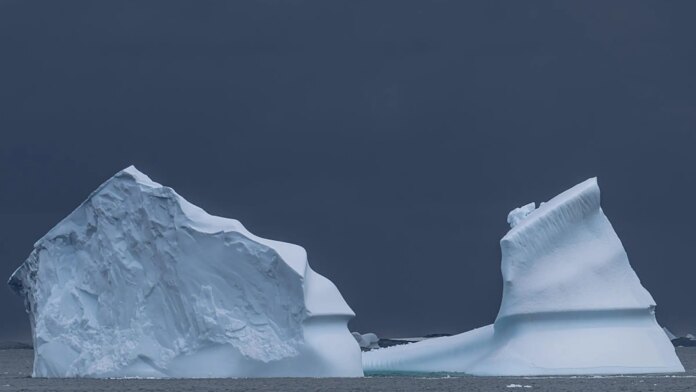

The results, however, do not come as a surprise. “In general, there’s extensive, accumulated observational evidence that the ice shelves are more and more in danger,” says Mashayek. “Our work shows that there’s also an observational trend that suggests that more heat is getting to Antarctica.”
Global average sea level has risen eight to nine inches since 1880, and the rate is accelerating due to glacier and ice sheet melt—adding new volumes of water to our oceans. Sea level rise due to Antarctic ice melt increases the risk of coastal flooding and can contribute to more intense storms.
The Antarctic ice sheets and the Southern Ocean are also key in regulating the global climate system—changes to the ice mass of Antarctica could impact climate patterns like El Niño. The study’s findings add to a growing body of recent research documenting significant changes in the world’s polar seas.
Another study published earlier this month found that the Atlantic meridional overturning circulation (AMOC), a system of global ocean currents, is closer to collapse than previously thought, with the system slowing down as air temperatures rise rapidly in the Arctic due to global warming. A collapse in this circulation would trigger a rise in Atlantic sea levels, shift the tropical rainfall belt that millions of people rely on to grow food, and expose parts of Europe to extreme cold winters and summer droughts.