
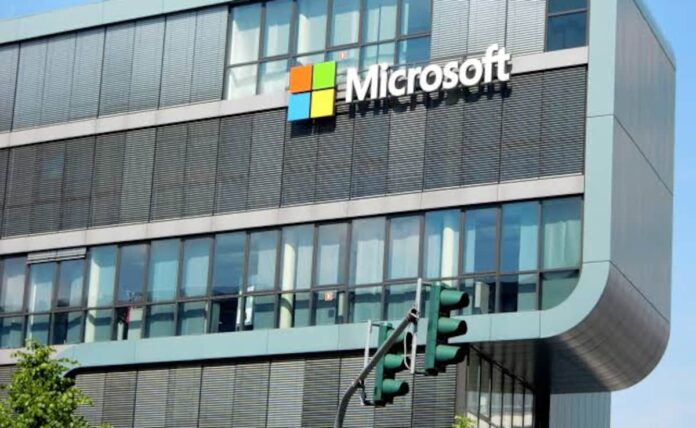

Microsoft has started offering voluntary buyouts to a section of its employees, marking a major shift in how the company is managing its workforce. The move is aimed at thousands of workers, with many expected to receive significant payouts as part of their exit packages, reported Forbes.
The buyout programme, launched on Thursday by Microsoft, is the company’s first-ever employee buyout initiative. According to an internal memo obtained by CNBC and Bloomberg, around 7% of its US workforce has been offered the option.
As of June 2025, Microsoft had about 228,000 employees globally, including nearly 125,000 in the United States, as per a filing with the Securities and Exchange Commission. This means roughly 8,750 US-based employees could be eligible under the current offer.
The buyouts are being extended to employees at the senior director level and below, as well as those whose combined age and years of service at the company equal 70 or more.
Following this development, Microsoft shares fell more than 4% on Thursday afternoon, reflecting broader weakness in the software sector.
According to a CNBC report, details regarding the buyout package will be shared with eligible employees and their managers on May 7th. Previously, Microsoft’s severance package has included 12 weeks of base pay and an additional two weeks’ pay for each year of service, although the final amount may vary depending on the employee’s length of service and position.
When Microsoft laid off 10,000 employees in 2023, CEO Satya Nadella stated that the company would provide eligible employees with severance pay, including six months of healthcare, stock vesting, and 60 days notice. For example, an employee with 20 years of experience and an annual salary of $180,000 could receive a severance package of $180,000, although higher-level employees are likely to receive more.
The buyout decision comes as Microsoft plans to increase its investment in data centers and artificial intelligence products. The company, along with companies like Apple, Meta, Amazon, and Alphabet, increased capital expenditure by $45 billion last year, bringing the total to $383 billion. Analysts believe this expenditure could increase by more than $100 billion to nearly $500 billion by 2026.
Microsoft’s own spending is projected to increase from $44.5 billion in 2024 to nearly $98 billion in 2026. Chief Financial Officer Amy Hood said the company will work to balance its spending to meet growing demand in the AI sector.