
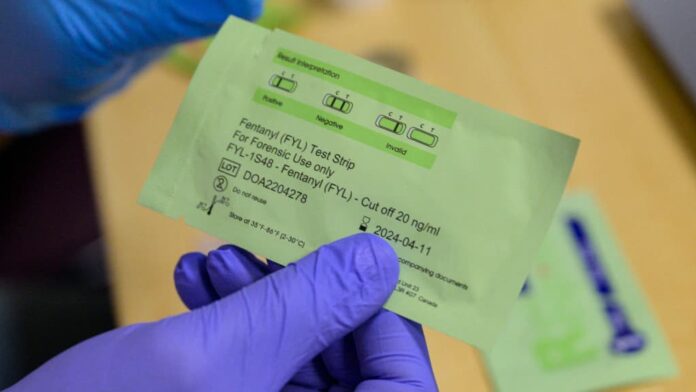

Fentanyl shows why speed matters. In early 2023, we pointed out that rapid fentanyl tests already existed outside clinical medicine, yet hospitals relied on expensive spectrometry testing that could take an hour or longer, if the equipment was available onsite at all. By the time FDA-cleared and CLIA-waived rapid fentanyl tests arrived, the illicit market had already changed again.
Starting in 2020, xylazine spread through the fentanyl supply, introducing a new clinical hurdle: naloxone reverses opioids, but not xylazine. Patients can remain dangerously sedated or unstable even after naloxone is given. Further, xylazine is associated with necrotic skin wounds that increase risk of sepsis, and withdrawal syndromes that are more complex to treat than opioids alone.
Not long after, medetomidine overtook xylazine supplies. It, too, does not react to naloxone, causes profound sedation and cardiovascular instability, and its withdrawal syndrome—which can come on just hours after someone stops using it—can trigger extreme hypertension and tachycardia that has been connected to heart attacks in younger people. Knowing these facts could significantly alter a patient’s treatment or discharge plan.