
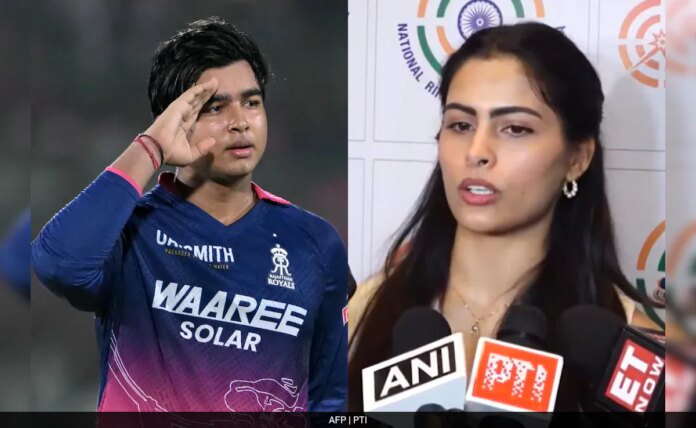

India’s aspirations to become a sporting nation are reiterated, but looking beyond cricket isn’t the easiest task. A huge social media stir erupted after the double Olympic medallist was questioned about teenage cricketer Vaibhav Sooryavanshi during a media interaction. The irony here is palpable. At the age of 16, Manu Bhaker was already a senior World Cup gold medallist and a global sensation. At that time, did anyone think to ask Virat Kohli or Rohit Sharma for their thoughts on her rise? The answer is no, and we know it is, so is it fair for the reverse to be considered acceptable practice?
If we continue to believe that non-cricket stars only make headlines when linked to the 22-yard pitch, we will never truly become a multi-sport nation.
The incident involving Manu Bhaker and the question about 15-year-old cricketer Sooryavanshi isn’t just a social media “moment”; it is an X-ray into the health of India’s sporting culture, which has become too rigid to move on from its love affair with cricket.
At 24, Bhaker is a double Olympic medallist, an athlete who has literally written new chapters in Indian sporting history. Yet, during the 75th anniversary celebrations of the National Rifle Association of India (NRAI) in Delhi, the spotlight was shifted away from her technical excellence and toward a trending cricket headline. This disconnect highlights a systemic issue: we are a country that loves winners, but we are yet to fall in love with the sports those athletes represent.
The core of this frustration lies in the one-way street of cross-sport curiosity. In 2018, when a 16-year-old Manu Bhaker outgunned world-class shooters to win gold at the ISSF World Cup in Mexico, she was arguably the most exciting teenage prospect in the world. She has gone on to win multiple Olympic medals and is seen as one of the brightest athletes in the country. She has no connection with cricket, yet her opinion on a rising star in the sport is considered important. It’s difficult to understand why.
This asymmetry creates a dynamic in Indian sports, where Olympic disciplines are only relevant during the brief period of the Games. At other times, they are forced into a cricket-centric narrative. When we ask an Olympic champion to validate a budding cricketer, we aren’t just following social media trends-we are effectively questioning whether an elite athlete holds sufficient importance to command the nation’s attention on her own.
VIDEO | India’s double Olympic medallist shooter Manu Bhaker says, “With the right mentorship, Vaibhav (Sooryavanshi) can be the next big star of Indian cricket.”
(Full video available on PTI Videos – https://t.co/n147TvrpG7) pic.twitter.com/UZwA8iZwSk
— Press Trust of India (@PTI_News) April 27, 2026
Can India Truly Become A Sporting Nation?
If India truly wants to evolve into a multi-sport powerhouse, the shift must begin in the mind. Becoming a “sporting nation” isn’t just about winning medals; it’s about giving a shooter the same respect we accord a cricketer.
The social media storm following the Bhaker-Sooryavanshi interaction suggests that fans are actually ahead of the curve. They recognized that asking an Olympic icon to act as a commentator for another sport, at her own federation’s event, was an injustice to her achievements.
Until we reach a point where a cricketer is asked about the nuances of a 10m air pistol final, or where a Shooting World Cup generates the same chatter as a mid-season IPL game, the double standard remains.
We can continue to celebrate the individual brilliance of our champions, but if we don’t start treating their disciplines with the same dignity we grant the pitch, we will continue to lose ground on our a
Featured Video Of The Day
IPL 2026 | Delhi Capitals Wins By 6 Wickets Against Mumbai Indians: Redemption For Sameer Rizvi
Topics mentioned in this article