
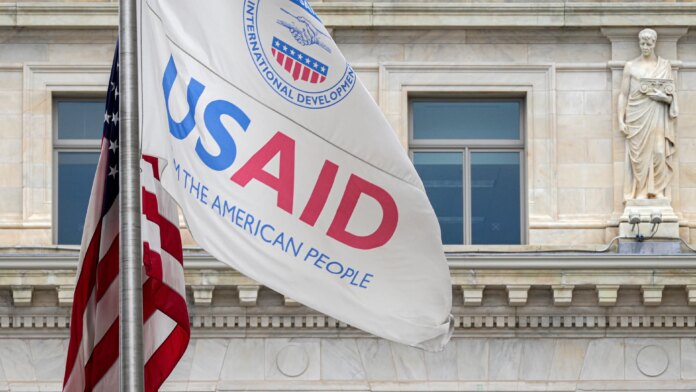

Eliminating USAID—which provided food, medical care, clean water, and more to over 60 countries around the world—could lead to 14 million additional deaths by 2030, according to a 2025 study in the Lancet. Now, a new paper in Science is pointing to another knock-on effect: a rise in violent conflict across the regions and communities the organization once served.
“What happens is this sudden shock to projects, employment, livelihoods, and wages,” says Austin Wright, professor of public policy at the University of Chicago and one of the lead researchers on the paper. “That drives up conflict by effectively creating economic chaos on the ground.”
To explore what happens when crucial aid suddenly disappears, Wright and his colleagues surveyed 870 regions or communities that used to receive USAID services from March 2024—before Trump scrapped the program—until Nov. 2025, around nine months after his move. The researchers used two datasets; one tracks global assistance programs, and the other tracks incidents of violence across the same areas. The researchers also tallied the amount of aid received by each of the regions studied.